


Cart
0
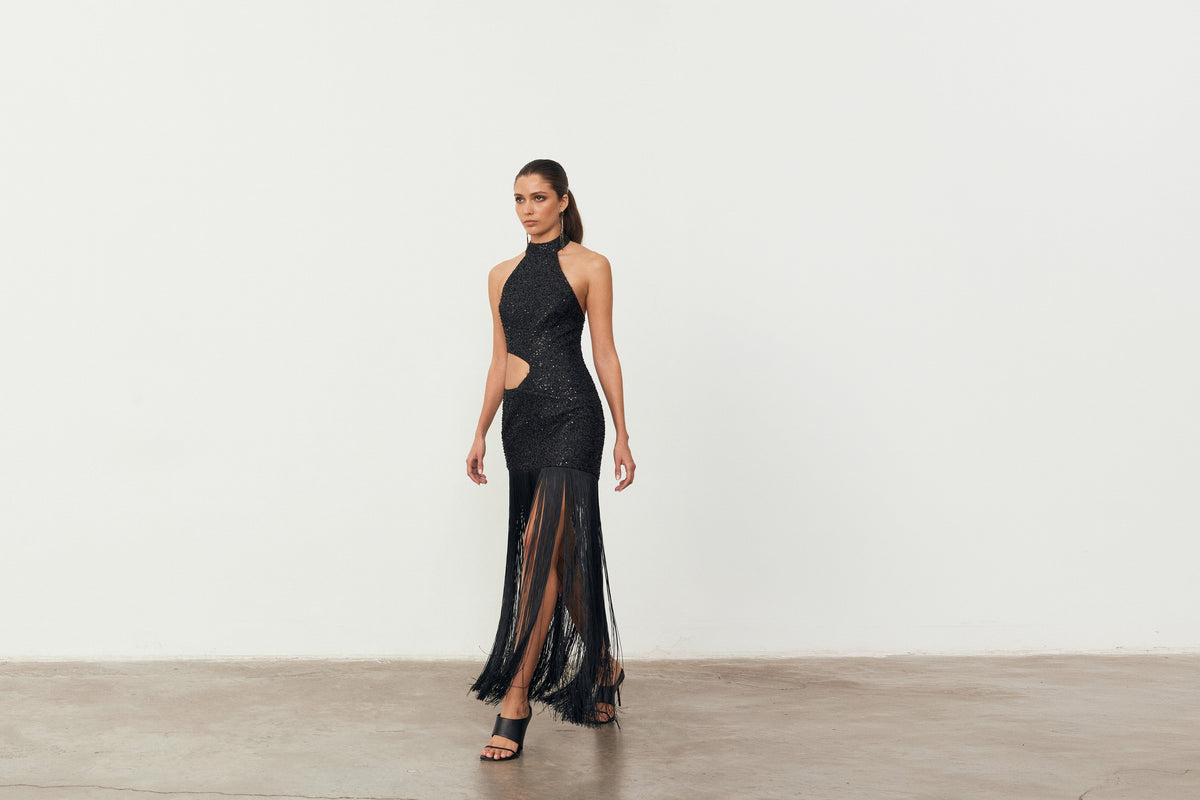
Sculptural Silhouettes: Structure, Movement And Modern Womenswear
In contemporary womenswear, silhouette is no longer defined by shape alone. It is created through the relationship between structure, movement, proportion and fabric.
A sculptural garment does not simply follow the body. It interacts with it. A gathered waist can redirect volume, an asymmetric line can alter proportion, a corseted construction can create definition, while draping can introduce movement and softness.
The result is a silhouette that feels considered from every angle.
At BÂROFE, this relationship between structure and fluidity forms a recurring part of the design language.
What Makes A Silhouette Sculptural?
Sculptural fashion is often associated with dramatic volume or architectural construction, but the idea can be much more subtle.
A silhouette may become sculptural through the placement of a seam, the tension of fabric around the body, the distribution of volume or the contrast between fitted and fluid elements.
Rather than decoration alone, construction becomes part of the visual identity of the garment.
A sculptural dress can therefore feel minimal while still creating a strong presence.
Structure As A Design Language
Structure gives a garment definition.
Corsetry, internal construction, shaped panels and controlled gathering can all influence the way fabric sits around the body.
In modern womenswear, these techniques are no longer limited to traditional formalwear. They can appear in mini dresses, evening pieces and separates, creating silhouettes that feel precise without becoming rigid.
This relationship is explored further in Modern Corsetry: Structure, Lace And Form, where corsetry moves beyond its historical role and becomes part of contemporary construction.

Movement Softens Structure
Structure alone can create definition, but movement gives the silhouette life.
Draping allows fabric to respond naturally to the body. Folds shift while walking, gathered sections change with movement and fluid textiles create new shapes depending on how they fall.
This contrast between control and movement is central to many sculptural silhouettes.
In The Art Of Draping In Contemporary Womenswear, draping is examined as a way of shaping fabric while preserving its sense of fluidity.

Proportion Changes The Way A Garment Is Seen
Sculptural design also depends on proportion.
A shortened hemline can emphasise volume above it. An elongated sleeve can change the balance of a mini dress. A single shoulder can shift the visual centre of the silhouette.
Asymmetry is particularly effective because it interrupts the expectation of balance.
The eye naturally follows an uneven neckline, diagonal drape or displaced volume, allowing even a minimal garment to feel visually complex.
This idea is explored in Asymmetry And Proportion In The Modern Mini Dress.

Fabric Determines The Final Form
No silhouette exists independently of its fabric.
Satin reflects light and emphasises folds. Silk blends create fluid movement. Lace introduces transparency and texture. Crepe provides control and weight. Sequins can transform a simple shape through surface and reflection.
The same pattern constructed in two different fabrics can create completely different proportions.
For this reason, fabric selection is not simply a material decision. It is part of the architecture of the garment.
The Modern Sculptural Dress
The contemporary sculptural dress exists between architecture and movement.
It may use corsetry to define the torso, draping to soften the waist or asymmetry to shift proportion. None of these elements need to dominate individually.
The strongest silhouettes often emerge when several construction techniques work together quietly.
Within BÂROFE, pieces such as IRYS, VALERIE, MAERIS and OPHELIA approach the silhouette from different directions, from structured satin and asymmetric lines to draping and corsetry.
Beyond A Single Trend
Sculptural fashion is less about a seasonal trend than a way of approaching construction.
It asks how a garment occupies space, how it changes with movement and how proportion can alter the perception of the body.
Whether expressed through a dramatic evening piece or a restrained mini dress, the principle remains the same: silhouette becomes part of the design itself.
At BÂROFE, structure, movement and proportion come together to create womenswear designed not only to be worn, but to take form.

